


Supplements That May Help Support Women Living With Fibroids Understanding Fibroids and Natural Support Options


Uterine fibroids are non-cancerous growths that develop within or around the uterus. They are extremely common, particularly among women during their reproductive years. While some women experience no symptoms, others may develop heavy menstrual bleeding, pelvic pressure, painful periods, frequent urination, bloating, fatigue, or fertility challenges.
Medical treatment remains the cornerstone of fibroid management, but many women ask whether certain supplements may help support hormonal balance, reduce inflammation, or improve symptoms with possible size reduction of fibroids.
While no supplement has been proven to cure fibroids, several nutrients have shown promising results in research and may play a supportive role alongside a healthy lifestyle and medical care.
1. Vitamin D
Vitamin D is one of the most extensively studied nutrients in relation to fibroids.
Research has shown that women with fibroids are more likely to have low vitamin D levels. Some studies suggest that maintaining adequate vitamin D levels may help reduce fibroid growth and support overall uterine health.
Food Sources
Fatty fish (salmon, sardines, tuna)
Egg yolks
Fortified dairy products
Sunlight exposure
Potential Benefits
Supports immune function
May help regulate cell growth
Supports hormonal balance
Before supplementing, it is advisable to check your vitamin D level through a blood test.

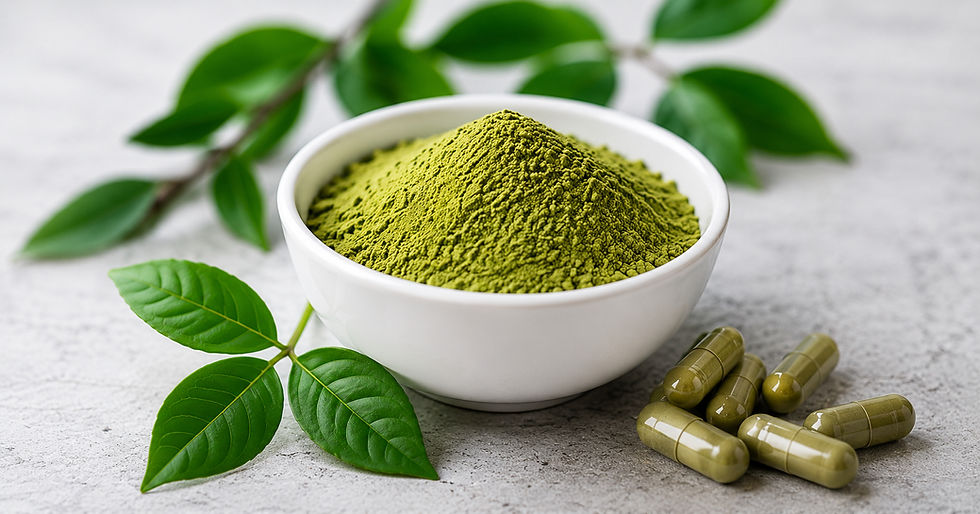
2. Green Tea Extract (EGCG)
Green tea contains a powerful antioxidant known as Epigallocatechin Gallate (EGCG).
Several studies have suggested that EGCG may help reduce inflammation and may potentially slow fibroid growth. Some women have also reported improvements in fibroid-related symptoms.
Potential Benefits
Antioxidant support
May help reduce inflammation
May support healthy cell regulation
Women considering green tea extract should discuss supplementation with their healthcare provider, particularly if they have liver disease or take prescription medications.
3. Omega-3 Fatty Acids
Omega-3 fatty acids are known for their anti-inflammatory effects.
Although omega-3s do not directly treat fibroids, they may help reduce systemic inflammation and support overall reproductive health.
Sources
Salmon
Sardines
Mackerel
Flaxseeds
Chia seeds
Fish oil supplements
Potential Benefits
Supports cardiovascular health
May reduce inflammation
Supports hormone regulation
4. Magnesium
Many women experience muscle cramping, pelvic discomfort, and stress related to fibroids.
Magnesium plays an important role in muscle relaxation and nervous system function.
Potential Benefits
May help with menstrual cramps
Supports sleep quality
Supports healthy blood pressure
Aids muscle relaxation
Food Sources
Pumpkin seeds
Almonds
Cashews
Spinach
Avocados
5. Iron (When Needed)
Heavy menstrual bleeding caused by fibroids can lead to iron deficiency and anemia.
Symptoms may include:
Fatigue
Shortness of breath
Dizziness
Reduced exercise tolerance
Hair loss
Women with heavy periods should discuss iron testing with their healthcare provider before starting supplementation.
Potential Benefits
Supports healthy red blood cell production
Improves energy levels when deficiency is present
Helps prevent anemia

6. Curcumin (Turmeric Extract)
Curcumin is the active compound found in turmeric and is known for its anti-inflammatory and antioxidant properties.
Early research suggests that curcumin may influence pathways involved in fibroid growth, although larger studies are needed.
Potential Benefits
Supports reduction of inflammation
Provides antioxidant protection
Supports overall metabolic health
Lifestyle Habits That Matter Just As Much
Supplements work best when combined with healthy lifestyle habits.
Women with fibroids should focus on:
Maintaining a healthy weight
Regular physical activity
Eating plenty of vegetables and fruits
Limiting highly processed foods
Managing stress
Getting adequate sleep
Avoiding smoking
When Should You See a Doctor?
You should seek medical evaluation if you experience:
Heavy menstrual bleeding
Pelvic pain or pressure
Severe menstrual cramps
Frequent urination
Difficulty becoming pregnant
Fatigue related to blood loss
Fibroids can sometimes significantly impact quality of life, and treatment options range from monitoring and medication to minimally invasive procedures and surgery.
The Bottom Line
While no supplement can guarantee fibroid shrinkage or cure fibroids, certain nutrients such as vitamin D, omega-3 fatty acids, magnesium, iron (when deficient), green tea extract, and curcumin may support overall health and help manage some symptoms.
If you have fibroids or suspect you may have them, speak with your healthcare provider to develop a personalized management plan that addresses your symptoms, fertility goals, and overall health.
At Ask Dr. Browne TT, we help women understand their symptoms, review blood work, and create individualized wellness plans to support long-term health.


Ho trovato utile la chiarezza con cui vengono trattati i vari aspetti del tema. Le informazioni sono presentate in modo progressivo e ben collegato. Ho già condiviso questo articolo con alcuni colleghi che si occupano dello stesso argomento. Si tratta di un articolo equilibrato che affronta il tema in modo completo.